Coffee guide
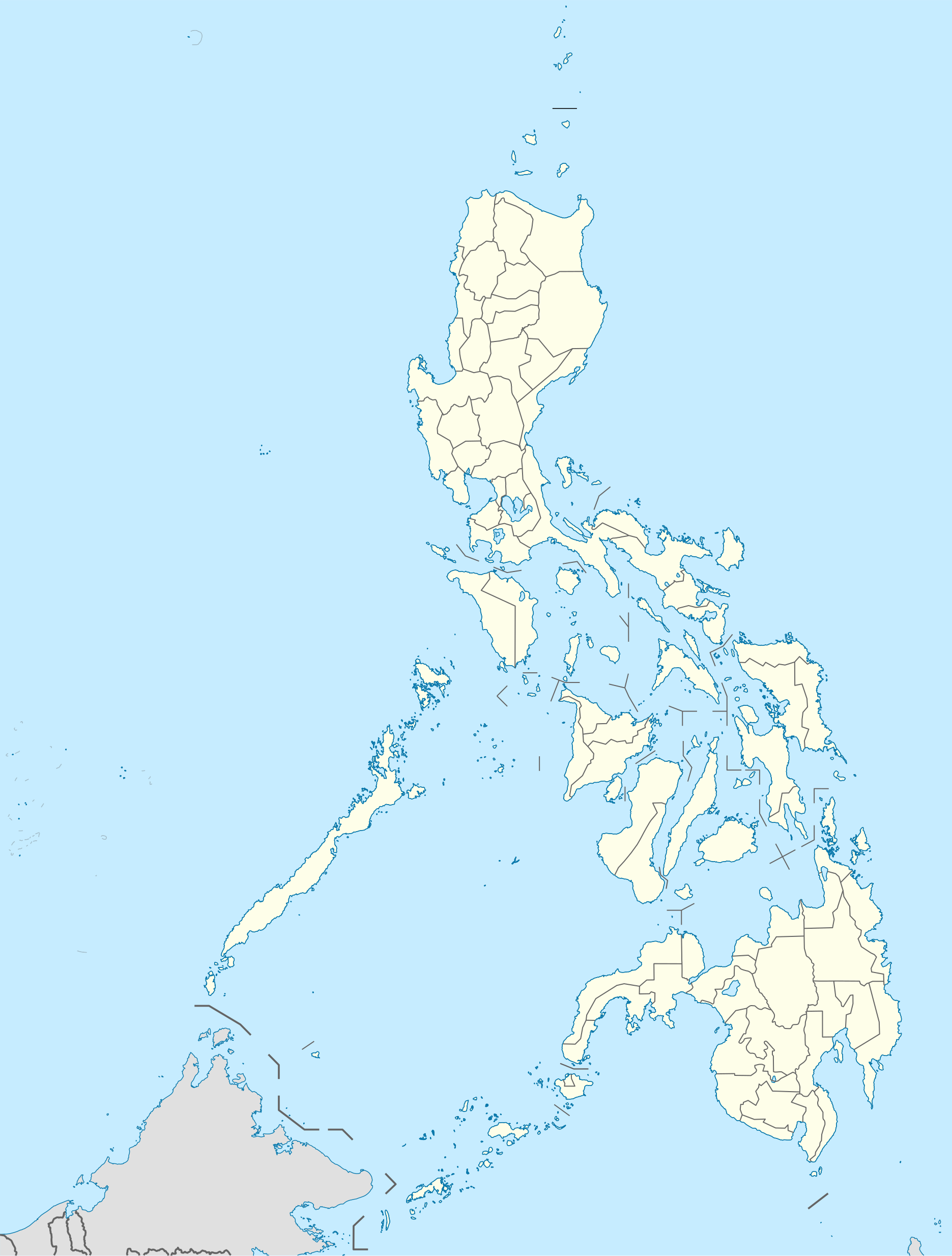
One of the few countries that grows all four commercial coffee species, from the high Cordillera to the volcanic slopes of Mindanao. Tap a region on the map to jump to it.
The four species
Most coffee countries grow one or two species. The Philippines grows all four.

The highland species, above ~1,000 masl. Brighter, more aromatic, more acidity. The country’s specialty-grade ceiling.
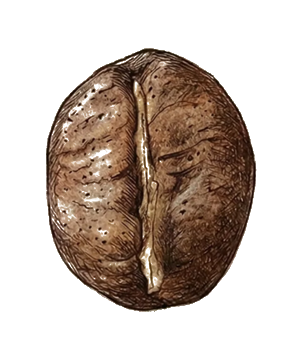
The most-produced species here: lowland, hardy, higher caffeine. Bold, heavy, often chocolatey-bitter.

A Philippine specialty. Tart, fruity, jackfruit-like. Usually blended for complexity, and far more common here than elsewhere.

The cultural icon: big beans from Batangas and Cavite, bold and smoky-woody. Rare globally, endangered locally.
Where it grows
Each region, what it tastes like, and the beans to look for across local roasters.
Selections change with each harvest: these are examples of what each region offers across roasters, not a live stock list.
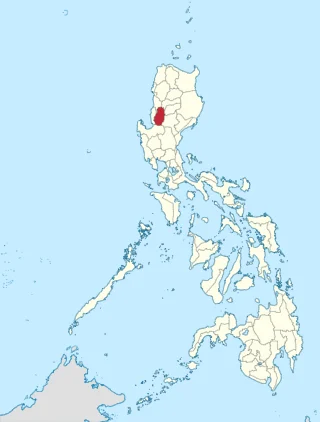
Luzon highlands · Arabica
The Arabica heartland. High, cool, and misty around Atok and Tublay, bright, fruity, floral cups. The most established specialty Arabica region in the country.
Common tasting notes: floral and fruity, with citrus brightness, a touch of chocolate, and a clean, tea-like finish.
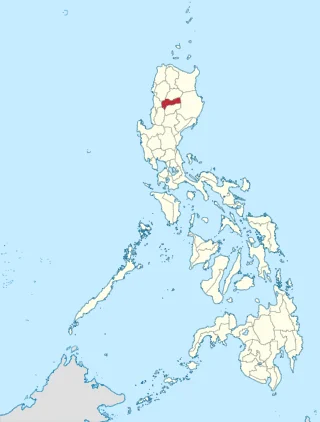
Mountain Province · Arabica
Maybe the most famous name in Philippine coffee. High-altitude Arabica that leans chocolatey and nutty with gentle brightness, reliable and approachable.
Common tasting notes: chocolate and toasted nuts with caramel sweetness and a soft, mild acidity.
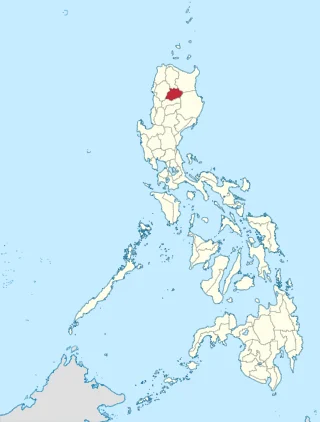
Cordillera, Luzon · Arabica
An emerging Arabica origin gaining specialty attention for balanced, sweet, clean cups as processing and farmer training improve across the region.
Common tasting notes: balanced and sweet, with cocoa, brown sugar, and a light citrus lift.
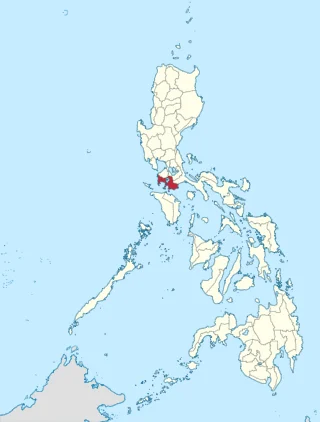
Southern Luzon · Liberica (Barako)
Home of Kapeng Barako: bold Liberica with a smoky, woody punch and a famous aroma. The cultural birthplace of Philippine coffee, now a heritage origin worth protecting.
Common tasting notes: bold and smoky, with a woody, nutty body, a heady aniseed-and-jackfruit aroma, and very low acidity.
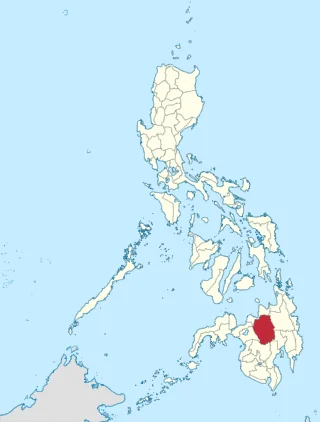
Northern Mindanao · Arabica & Robusta
A rising star growing both Arabica (around Mt. Kitanglad) and robust Robusta. Increasingly processed to specialty grade: everything from cocoa-heavy to surprisingly fruity.
Common tasting notes: cocoa and caramel with nutty depth; the Arabica lots can turn surprisingly fruity, the Robusta heavier and earthy.
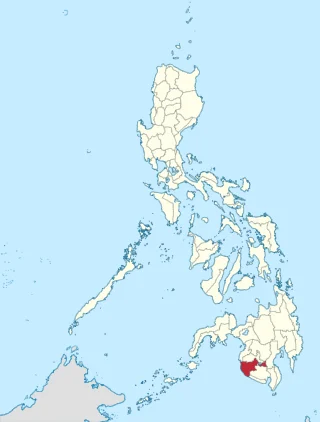
Soccsksargen, Mindanao · Arabica & Robusta
A major Mindanao producer of both Arabica and Robusta, anchoring much of the south’s volume and increasingly its specialty lots too.
Common tasting notes: chocolatey and nutty with a full body and gentle acidity; the Robusta lots add a bold, earthy punch.
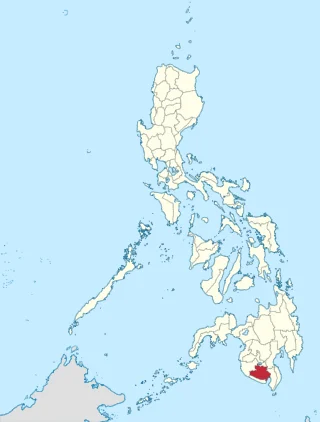
Soccsksargen, Mindanao · Arabica
Arabica grown on a volcano’s slopes around Tupi, farmed by B’laan communities. The origin behind our Bo’s Coffee Mt. Matutum review.
Common tasting notes: berry-like and lightly spicy (think cardamom) with a clean, medium body. The profile behind our Mt. Matutum review.
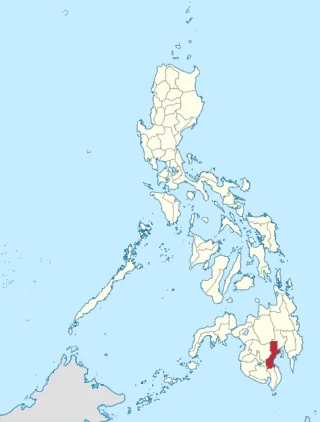
Davao Region, Mindanao · Arabica
Arabica grown on the country’s highest peak. A growing specialty origin with clean, sweet, well-structured cups coming off Mt. Apo’s slopes.
Common tasting notes: clean and sweet, with chocolate, gentle citrus, and a well-structured, balanced cup.
Who’s championing it
Part of what holds local coffee back isn’t quality. It’s scarcity and distribution. These are the people doing the unglamorous work of sourcing, training farmers, and getting Philippine beans into cups.
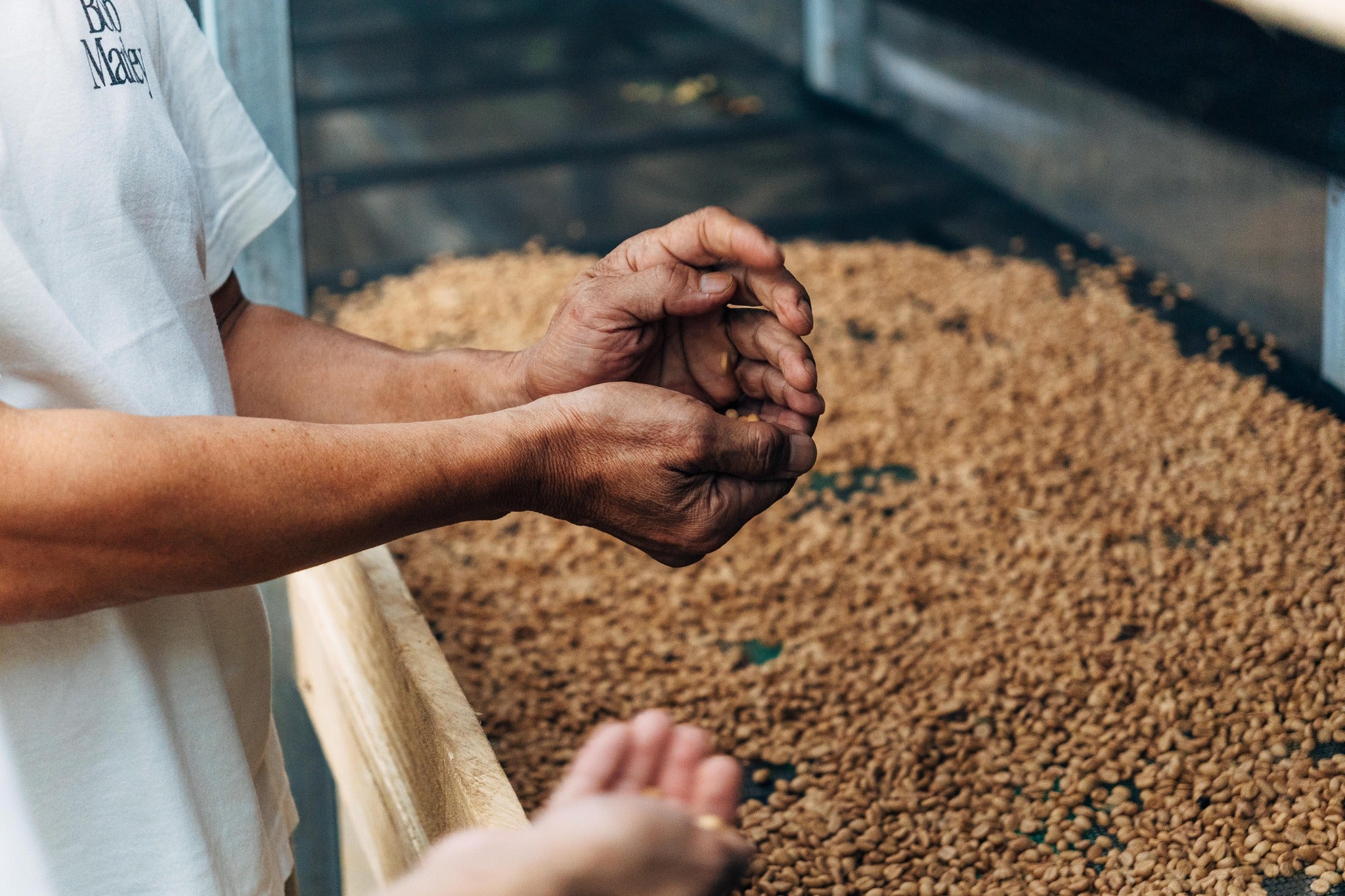
A Cebu roastery, café, and coffee academy founded in 2018 by Brewers Cup champion Giorgio Visitacion. Strong focus on traceability and farm relationships.
goodcup.ph →
Built by Equilibrium Intertrade to seek, roast, and distribute the best of Philippine specialty coffee, working with farms, cooperatives, and the PhilCAFE program.
curve.coffee →
“Specialty coffee for anyone and everyone.” Roasts local highland beans and global single origins fresh, with an accessible, no-snobbery approach, a regular in our reviews.
allocoffeeroasters.com →
Started in founder Sean Lee’s kitchen in 2015, now a go-to wholesale roaster supplying hundreds of cafés. Believes good coffee should be accessible and approachable.
plainsight.coffee →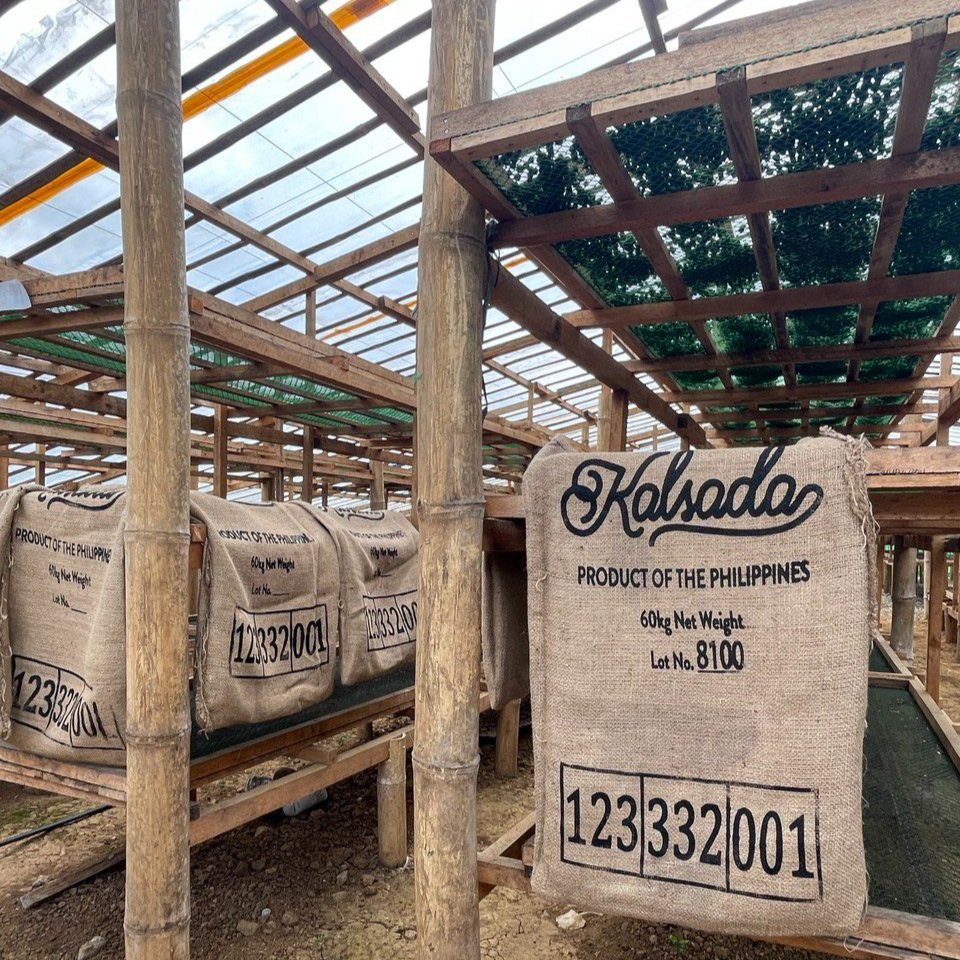
Founded by Carmel Laurino to raise the profile of Philippine coffee abroad. Works directly with ~200 farmers, paying well above Fair Trade and investing in processing at origin.
kalsada.com →A pioneer of Manila’s third-wave scene, founded 2013 by Andre Chanco. Roastery-first café that trained a generation of baristas and hosts the Philippine AeroPress Championship.
yardstickcoffee.com →
The country’s largest homegrown chain, founded by Steve Benitez in 1996. Champions Philippine-grown coffee across 160+ stores, the widest spread of local origins of any big chain.
boscoffee.com →Roaster photos and logos are from each company’s own website, linked above.
Single origin isn’t automatically “better.” Blends exist for good reasons, and sometimes they just taste better. The point of putting a spotlight on Philippine beans isn’t origin-worship. It’s that good local coffee is often hard to find, and it deserves to be easier.
We brew Philippine and global beans the same way (cold) and review them one at a time.
Browse the reviews → Malamig Brew